
APPLICATIONS
Acrylic fabric by application
Start with the finished piece. A fitted boat cover, a roll-up awning and a removable seat cover place different demands on the fabric and the seams.
01 / ON THE WATER
Marine canvas
Common builds: fitted boat covers, bimini tops, cockpit shade and equipment covers.
For a bimini, start with the frame span and the tension at the bow pockets. For a mooring cover, start with where rain will drain, how air will circulate and what the cover touches at the rail and corners.
Trial: Fit a small sewn panel around a rail or frame member. Check the seam at a stress point and inspect the assembly after wetting and drying.
Check before specifying
- Record frame spans, attachment spacing and areas exposed to rubbing.
- Compare documented lightfastness, tear strength and water performance for the expected exposure.
- Check seams, vents and hardware as part of the finished cover. Fabric test results do not establish whether a sewn cover keeps water out.
02 / IN THE SHADE
Awnings & shade
Common builds: fixed canopy panels, retractable awnings and umbrellas.
A fixed canopy needs a panel layout that follows its frame and drainage slope. On a retractable awning, an extra fold at the hem or a bulky seam can change how the fabric rolls.
Trial: Sew a representative edge and seam. On a retractable system, roll and unroll it on the intended hardware before cutting the full order.
Check before specifying
- Record span, projection, slope and edge attachment; account for hems and seam allowances.
- Use the roll’s usable width to plan seam positions. Keep fabric direction consistent across adjoining panels.
- Review documented lightfastness and any shade or rain performance required by the project.
03 / OUTDOOR LIVING
Outdoor upholstery
Common builds: seat and back cushions, outdoor benches and removable furniture covers.
A loose cushion cover needs a fabric that behaves well at corners and around a zipper. A heavily used seat also calls for documented abrasion performance. Assess color and feel on the actual cushion, where seams and curves change the way the fabric looks.
Trial: Sew one sample cushion with the intended foam, thread and trim. Check the corners under tension and confirm the cover can be removed and refitted.
Check before specifying
- Confirm the cutting direction, seam bulk and feel over the intended foam.
- Compare abrasion figures only when the test methods are comparable. Check lightfastness for exposed seating.
- Plan how the cover will drain, dry and be cleaned. Check the care requirements for fabric, foam and trim together.
04 / SAMPLE APPROVAL
Keep the approved sample.
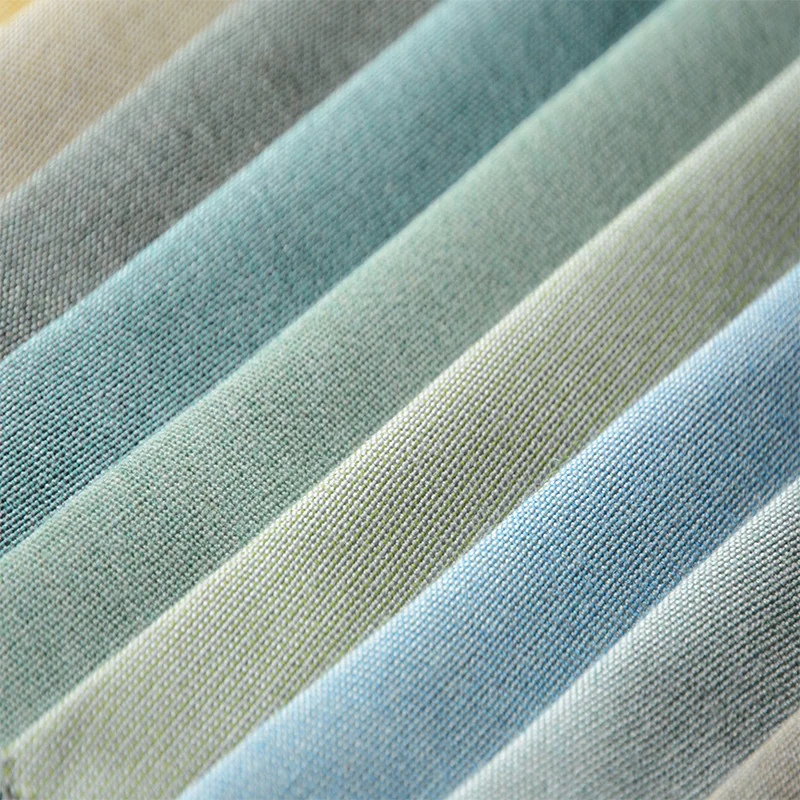
Check the actual color beside the frame, trim or adjacent panels in daylight. Keep the approved swatch and its fabric reference so the delivered fabric can be checked before cutting.
View fabrics and swatches05 / FABRIC RESOURCES
From selection to care.
Review fabric selection, sample checks and day-to-day care before specifying your next project.