
Match adjoining materials
Compare the swatch directly with the frame, decking or trim. A light neutral may look warmer against timber and cooler next to aluminum.
FABRIC CATALOG / RECOMBU
Acrylic fabrics for outdoor furniture, shade and boat covers. 5-year fabric warranty.
More of the original color retained ↑
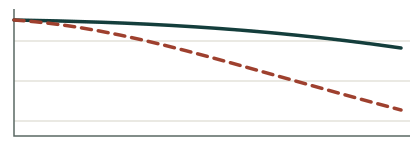
Longer exposure →
These manufacturer and supplier specifications apply to the examples named below. RECOMBU fabric specifications are shown in the shop.
| Metric | Dickson ORCHESTRA Solution-dyed acrylic · water-repellent finish | PLANOFIL Ripstop polyester · PU coating | TenCate KD-48 Cotton canvas · water-repellent finish |
|---|---|---|---|
| Fabric weight | 290 g/m² | 190 g/m² | 310 g/m² ±5% |
| Water columnISO 811 | >350 mm | >2,000 mm | 400 mm average |
| Tensile force, warp / weftISO 13934-1 | 1,400 / 900 N | 1,200 / 1,000 N | 1,300 / 1,300 N |
| Tear force, warp / weftISO 13937-1 | 40 / 25 N | 35 / 32 N | 30 / 30 N |
| Artificial-light colorfastnessISO 105-B02 | 7–8 / 8Exposure time undisclosed | 6–7150 h exposure | Unreported |
| Artificial-weathering colorfastnessISO 105-B04 | 4–5 / 51,000 h | Unreported | ≥4Exposure time undisclosed |
Compare colorfastness only at matched test conditions, exposure and scales. The PU coating affects water-column results. Laboratory exposure hours do not convert directly to outdoor years.
Sources: Dickson ORCHESTRA technical sheet, PLANOFIL technical specifications and TenCate Cotton technical data for KD-48.
Outdoor upholstery benchmark. ACT's voluntary guideline for outdoor woven upholstery calls for at least grade 3 after 1,000 h under AATCC 169, option 3 or 4, or AATCC 16.3, option 3. Use it to specify a test requirement.
Examples from the RECOMBU catalog: ARC1150 is 150 cm / 240 g/m², ARB1150 is 150 cm / 220 g/m², and ARI3150 is 150 cm / 360 g/m². View fabric specifications
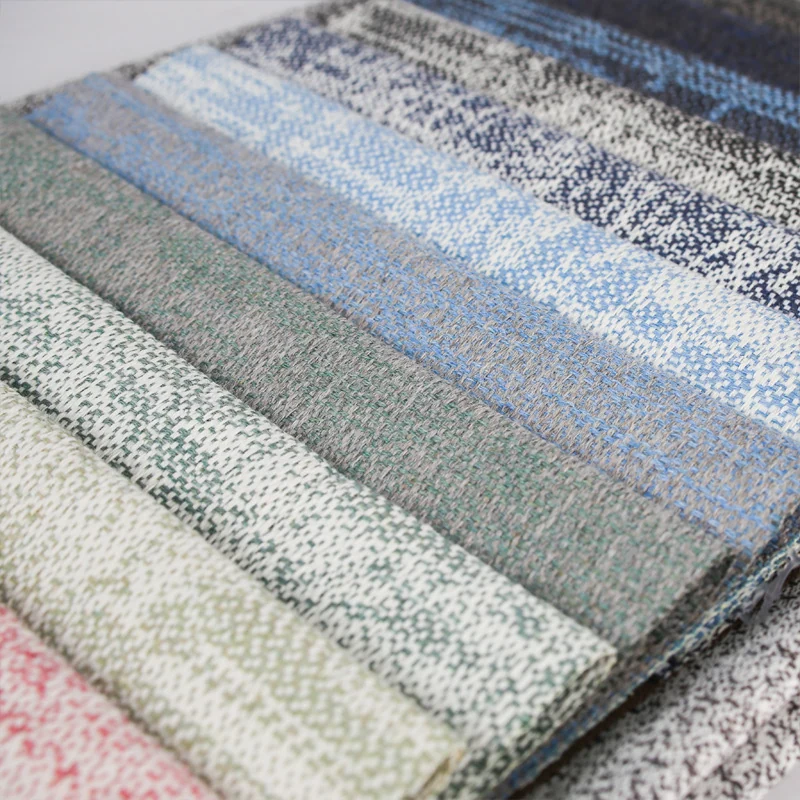 View texture at full size (opens in a new tab)
01 / MATERIAL SELECTION
Usable width determines where seams fall. Fabric weight affects handling, while the finish and care instructions guide how the finished piece can be used and maintained.
Match the technical data sheet (TDS) to the exact fabric reference and finish. Then approve a physical swatch for color and feel.
See what to check on a TDS02 / APPLICATIONS
Seat cushions, backrests and removable covers. Check hand feel, abrasion and how covers will be cleaned.
02 / SHADE & TENTSFixed or retractable awnings, canopy panels and tents. Check span, tension and seam layout; verify the finished system's requirements separately.
03 / YACHTS & BOATSBoat covers, biminis and cockpit shade. Identify salt spray and rain exposure, and check drainage, seams and attachment points.
03 / COLOR SELECTION
Use the gallery to shortlist tones. Screen colors are visual references; they do not identify orderable fabric colors. Approve the final choice against a physical swatch in the intended setting.
Compare the swatch directly with the frame, decking or trim. A light neutral may look warmer against timber and cooler next to aluminum.
View the swatch in full sun and shade. For canopies, check the view from below as well as from outside.
Keep the approved swatch with the project records. For adjacent panels or repeat orders, agree on lot matching and compare incoming rolls before cutting.
04 / SAMPLE TO ORDER
Record finished dimensions, use conditions and construction method. Estimate the cutting layout using usable width, including seams, hems and any pattern matching.
Review a physical swatch in daylight and at the installation site. Make a trial seam or test fit where the design folds, wraps or takes tension.
Match the approved reference and color to the order. Confirm roll length, quantity, production lot requirements and lead time before scheduling cutting.
05 / FABRIC RESOURCES
Review the practical guides for fabric selection, sample review and routine care.